Sciatica: Causes, Symptoms and Treatment
Overview
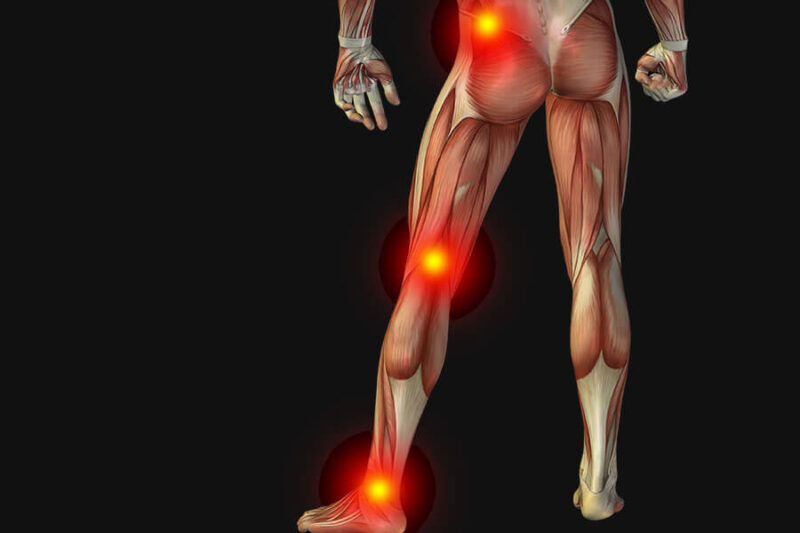
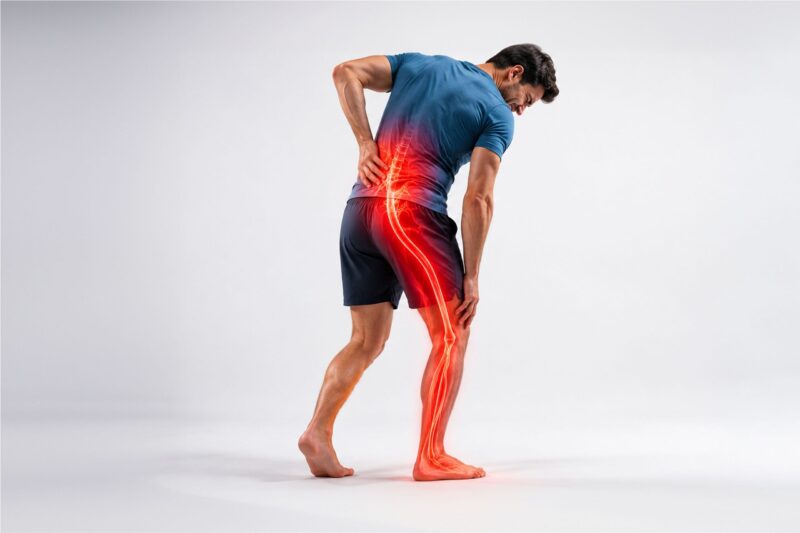
Experiencing sciatica means dealing with discomfort that travels along the sciatic nerve, often affecting your daily life. The sciatic nerve is the longest in the body and runs from the lower back region through the gluteal region and down the posterior aspect of each leg. Sciatica can occur unilaterally as a result of irritation or pressure on the sciatic nerve, and is a symptom of an underlying issue (often related to the spine). Pain can be dull or sharp. Symptoms can be worsened by sitting, coughing, or sneezing. In most patients, sciatica will resolve within a few weeks. However, in some patients, symptoms can recur or persist.
Common Causes
The most common cause of sciatica is pressure on nerve roots due to a disc protrusion/herniation. Narrowing of the spinal canal (spinal stenosis) can also cause sciatica and is more common in elderly people. Less commonly, sciatica can occur due to a displaced vertebra (spondylolisthesis), or irritation of the sciatic nerve by the deep gluteal muscle (piriformis syndrome). Sciatica can also be caused as a result of pregnancy, trauma, prolonged sitting, and age-related changes in the spine.
Symptoms and Warning Signs
If you’re feeling pain, tingling, numbness, or weakness in your leg or foot, take it seriously. Seek immediate medical attention if symptoms began following an injury, or if any of the following symptoms also occur:
- Loss of bladder/bowel control
- Numbness in the groin/inner thigh
- Fever
- Rapidly worsening weakness
This could suggest a serious issue, and immediate treatment may be necessary. If symptoms of sciatica last longer than a few weeks or are affecting sleep or daily activities, you should seek medical advice.
Self-Care
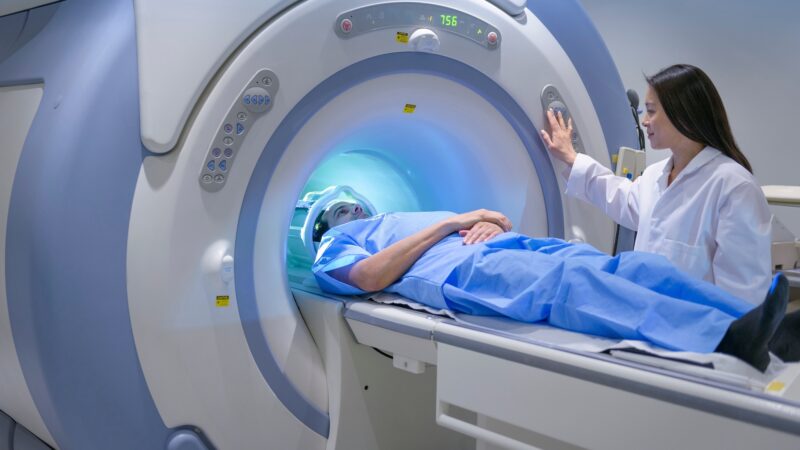
Sciatica often improves without surgery. However, it is important to have a correct diagnosis to ensure that the correct treatment is given to target the underlying cause. This process may include a physical examination as well as imaging tests. To find out which treatment may be suitable, speak to a licensed healthcare professional or read more on sciatica from reputable medical bodies.
To reduce symptoms, you can engage in gentle exercise. Hot or cold therapy may help. If appropriate, over-the-counter painkillers can also be taken. Often, short periods of walking and gentle stretching can help. Sitting for long periods or lifting heavy objects may exacerbate symptoms. Before taking any medication, please discuss with a pharmacist/doctor. Some medications can be risky.
Professional Treatment
Many healthcare professionals can help treat sciatica.
- Physiotherapists can give exercises to strengthen the core muscles and increase flexibility.
- Chiropractors can manipulate the spine and provide mobilisations, and advice on exercises. Some evidence suggests that manipulation may provide short-term relief for some lower back/leg pain. However, variable results are seen, and evidence for effectiveness is mixed.
- Doctors can provide medication, or advise Epidural steroid injections for severe pain.
- Surgery is usually recommended for severe nerve compression or persistent symptoms despite other treatments. Surgery is typically recommended only for severe nerve compression or for symptoms that do not improve with other treatment options.
Often multiple treatments are combined. Good communication between different healthcare providers can be helpful.
Habits That Help
Gentle exercise such as walking or swimming can be beneficial to support the spine. Having strong core and back muscles can also be helpful. Sitting in good posture, moving regularly, bending the knees to lift objects, and maintaining a healthy weight all reduce strain on the lower back.
Summary
Although sciatica can be uncomfortable, in most cases symptoms will improve with time and appropriate management. Be aware of red flag symptoms, and seek advice from a healthcare professional if these occur. This article is only general information and should not be used as medical advice; read more about this by consulting a reputable health resource and discuss symptoms with a qualified provider.